Explore Japanese T-Shirt Design Templates for Your Brand
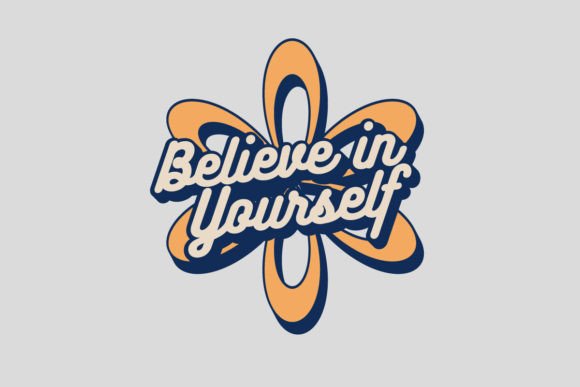
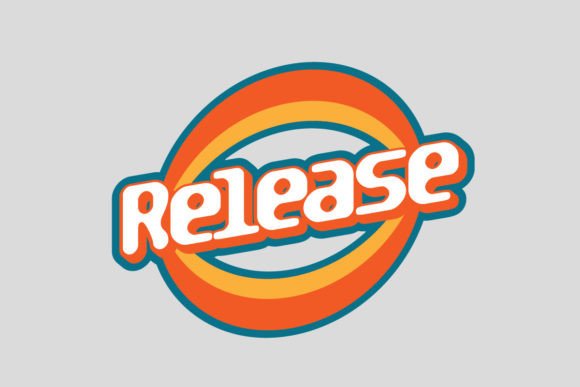
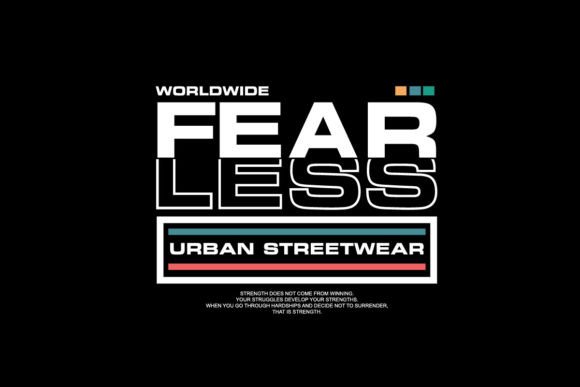
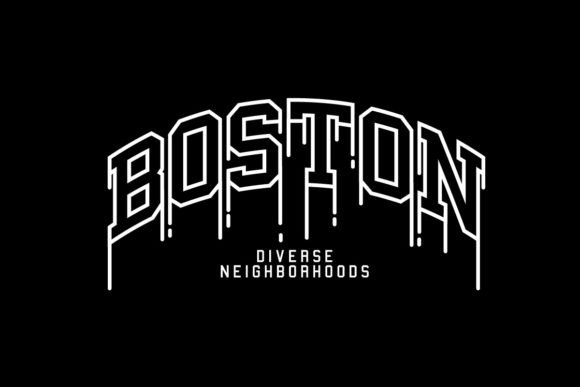
There's a distinct energy in streetwear right now—a pull toward designs that feel both personal and universal. It's less about loud logos and more about curated expression. This is where the right design assets become invaluable. I've been working with a set of Japanese T-shirt design templates lately, and they capture this mood perfectly. These aren't just graphics; they are curated collections of aesthetic quotes and sticker-style elements, built for creators who need flexibility without sacrificing a unique visual point of view.
The core appeal lies in their hybrid nature. You get the clean, modern typography often associated with Japanese design—balanced, intentional, and minimal—paired with expressive, hand-drawn sticker elements. It’s a style that feels both polished and authentic. The personality is confident yet approachable, making it ideal for brands that want to communicate quality and thoughtfulness. Whether you're designing for a niche community or a broader audience, this aesthetic bridges the gap between streetwear edge and contemporary art.
Practical Applications for Designers and Entrepreneurs
Where do these templates truly shine? Their versatility is a major strength. For small business owners launching a clothing line, they provide a professional starting point that can be customized to form a core part of a brand identity. The vector-based nature means you can scale a design for a chest print or a full-back graphic without any loss of quality, a crucial factor for merchandise production.
For content creators and marketers, these assets extend far beyond apparel. Think about creating cohesive social media graphics, unique stickers for digital planners, or eye-catching visuals for a blog. The included quote designs offer ready-made content hooks that can drive engagement. In packaging design, a single element from the collection—like a minimalist character or a textured quote—can become a distinctive brand mark. The files are structured for real-world use, delivered in a ZIP with high-resolution JPGs and editable EPS vector sources. This allows for immediate use in projects or deep customization in software like Adobe Illustrator.
Integrating the Aesthetic into Your Workflow
Adopting a new design asset is about more than just the initial download. It's about understanding how it fits into your creative process and influences your project's outcome. Here’s a practical look at working with these Japanese T-shirt design templates.
- Evaluating Project Fit: Before you start, consider the project's voice. This aesthetic works exceptionally well for brands targeting an audience that appreciates modern typography, street culture, or minimalist art. It might be less suitable for a traditional corporate report but perfect for an indie magazine or a tech startup's merch.
- Customization and Editing: The real power is in the editability. You can transform, scale, recolor, and remove elements to make the design your own. Change the color palette to match your brand guidelines, or isolate a single graphic element to use as an icon. This ability to modify without quality loss is what separates a professional design asset from a static image.
- Font Pairing and Hierarchy: While the templates include typography, you may need to pair them with other fonts for body text or additional headings. The clean lines of the Japanese-inspired text pair well with simple sans-serif fonts for readability or with a subtle serif font to add a touch of classic contrast. Always test pairings in context—on a mockup of a t-shirt or a social media post—to see how they affect visual hierarchy and overall readability.
- Building Consistency: Using elements from the same collection across different projects—like a website banner, product tags, and promotional stickers—creates a unified look. This consistency strengthens brand recognition and makes your work appear more professional and deliberate.
Think of these templates as a versatile toolkit. They provide a strong visual foundation, but the final output depends on how you adapt them. For the designer, they save hours of initial concepting. For the entrepreneur, they offer a shortcut to a polished, market-ready aesthetic. The key is to approach them not as finished products, but as high-quality starting points ready for your unique creative direction.